Table of Contents
Co2 tokenization
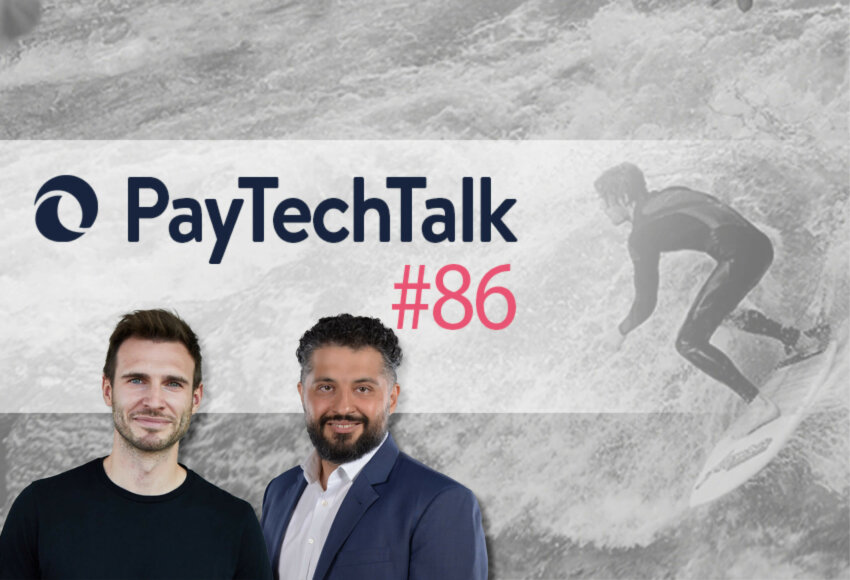
Our latest episode of PayTechTalk is all about CO2 tokenization: Our host Alireza Siadat talks to Adrian Wons, founder and CEO of Senken, about so-called “carbon credits” and the distribution of these through tokenization.
Adrian tells us how he got into the market for voluntary CO2 certificates and how he came up with the idea of using blockchain technology to make carbon credit trading more transparent, simple and sustainable.
Using Senken as an example, we explain what the hurdles are in the voluntary CO2 market and why this market is a prime example of tokenization. Alireza and Adrian talk about project financing, standardized documentation, the challenge with registries, and building a secondary market for CO2 allowances. In addition to spot trading, the speakers also address the ever-growing carbon forward market. Finally, Alireza gives a brief regulatory overview of the business model.
Our speakers

Adrian Wons
Adrian is the founder and CEO of Senken. He has a background in computational fluid dynamics in the wind energy space, and has applied his knowledge in the consulting space at Ernest & Young, where he then founded the blockchain department in Germany.
After 3 years at EY, Adrian left and founded his first tech company, which failed. Then he started a research institute for a German university on sustainable innovation, which led him to the flawed carbon markets and resulted in starting Senken.
Senken is an interface connecting on-chain carbon market infrastructure with the customer layer. It makes on-chain carbon markets easy accessible and usable by leveraging the blockchain technology.
Linkedin profile: Adrian Wons
 Alireza Siadat
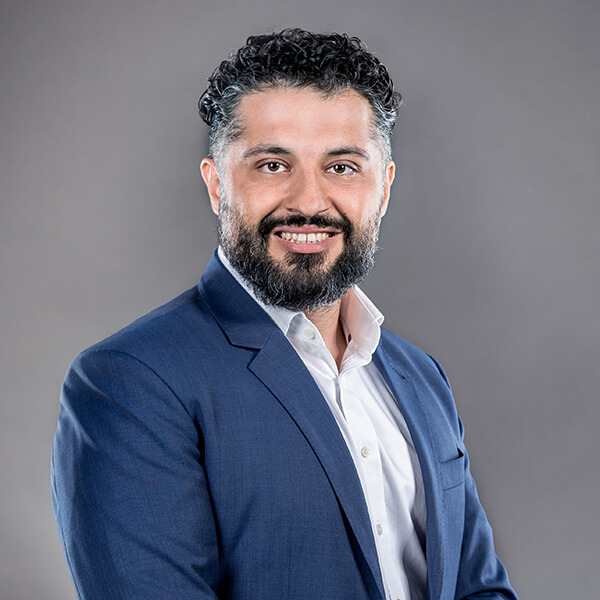 Alireza Siadat
Alireza is partner at Annerton law firm. He specialises in advising on market entries, passporting within the EEA, compliance and the regulatory supervisory framework for crypto assets.
Linkedin profile: Alireza Siadat
Topic-related Posts
DeFi vs. CeFi #6 – BaFin’s publication on NFTs & BaFin vs. Uniswap
ESMA Guidelines for operating DLT market infrastructure under the DLT Pilot Regime