 Bitte hier klicken und Cookies akzeptieren, um den SoundCloud-Player zu laden.
To get a better insight into the law aiming to prevent money laundering and resulting obligations, Frank Müller and his guests Christian Tsambikakis (Managing Director) and Florian Peters (Senior Compliance Manager) from Kerberos Compliance got to the heart of all the need-to-knows about the AMLA in PayTechTalk episode #65.
Through the so-called all crimes approach, the German legislator has recently enormously expanded the offence of money laundering under Section 261 of the German Criminal Code (StGB) (see also article all crimes approach), whereby all offences, whether felonies or misdemeanours, are now considered predicate offences to money laundering. Regulators are increasingly following suit, thus placing more and more obligations on those obliged under the AML.
This episode clarifies the essential questions around the AML: What is money laundering, what is the purpose of money laundering prevention, who is obliged to do so and if so, what obligations are we talking about? Furthermore, we will discuss what has to be considered in the special case of PePs (politically exposed persons) according to the Money Laundering Act and what has to be done in a suspicious case.
Have fun listening!
About Christian Tsambikakis:
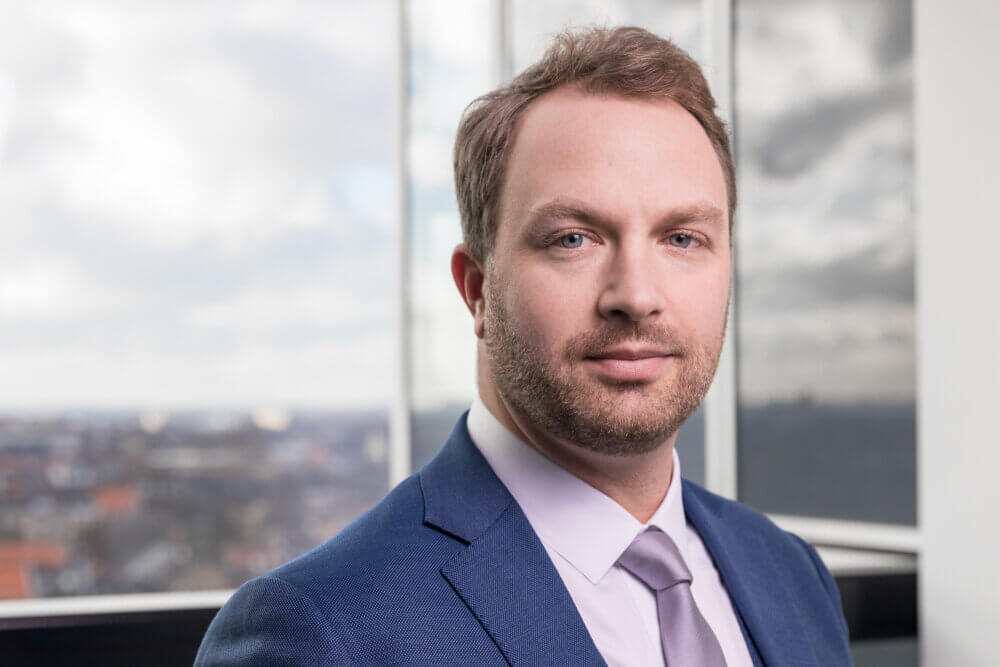 Christian Tsambikakis, who studied law, has been responsible for Compliance & Legal Affairs in various positions for many years. Most recently, he was head of the German office of the BBC Studios until he took over the management of the start-up Kerberos Compliance in 2017 and was instrumental in the founding of the BVGB in February 2020.
LinkedIn profile: Christian Tsambikakis
About Florian Peters:
 Florian Peters is a lawyer and Senior Compliance Manager at KERBEROS Compliance-Managementsysteme GmbH since 2020. Prior to that, Mr Peters worked at two large law firms in the field of antitrust law for several years, where he advised clients on all antitrust law issues, including compliance topics. He completed his education at the Rheinische Friedrich-Wilhelms University in Bonn, the Higher Regional Court in Cologne (Oberlandesgericht Köln) and the University of Birmingham (LL.M.). Florian Peters holds seminars on various areas of money laundering prevention with a focus on obligated persons in the financial sector.
LinkedIn profile: Florian Peters
About Kerberos Compliance:
Kerberos is a provider of compliance products and services specialised in money laundering prevention. Kerberos’ work protects more than 1,500 companies, all of them obligated parties under the Money Laundering Act, from the consequences of poor compliance and, of course, from the risk of being misused by third parties for money laundering activities. The company was founded at the end of 2017 as a start-up at the intersection of legal and tech. Today, in 2021, Kerberos has over 50 employees, including analysts, compliance managers, IT experts and lawyers.
LinkedIn profile: Kerberos Compliance
Further information:
- Money Laundering Act – BaFin
- Commission increases its fight against money laundering and terrorism financing
- Infographic: Anti Money Laundering Act (AMLA)
Cover picture: Copyright © PayTechLaw